
Inspection vs Audit vs Certification Explained: What’s the Difference? (And Why It Matters for Your Supply Chain). In global supply chains, three words often get mixed up: Inspection, Audit, and Certification.
Buyers hear them everywhere — on supplier websites, at trade fairs, in logistics documents — yet very few people truly understand what each one means, and more importantly, what each one protects you from.
At Goodada, we work with thousands of buyers across 76 countries, and one of the first things we explain is this:
- Inspections check your products.
- Audits check your supplier or customer
- Certifications check compliance.
They are not interchangeable, and relying on the wrong one can expose your company to quality failures, ethical risks, compliance issues, and costly disputes.
Let’s break down these three pillars of supply chain assurance — and show where Goodada fits into each one. And if after reading you require one of these services, please don’t hesitate to contact me. My details are below:
Contact Person: Aidan Conaty (Goodada Customer Support)
Mobile- Messenger (Click to Connect)

Laptop / PC (Click to Connect)

Phone:(Europe/ Rest of the World) +353 1 885 3919 ; (UK) +44.020.3287.2990 ; (North America) +1.518.290.6604
1. What Is an Inspection?
Inspections protect your products.
A product inspection is a detailed check carried out on the goods themselves — their quality, functionality, packaging, quantities, and compliance with your specifications.
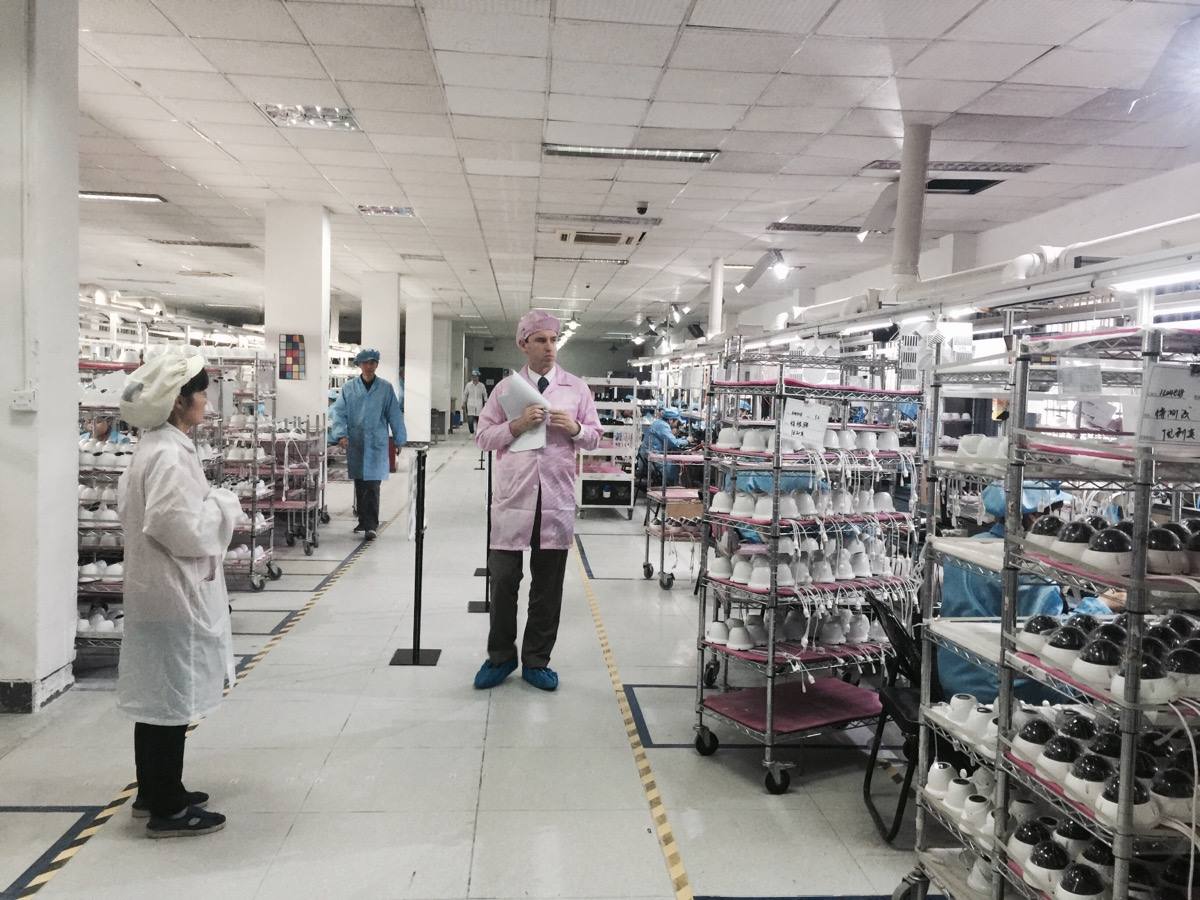
Inspections are hands-on, at the factory floor, and focus on what you are paying for right now.
Goodada’s Inspection Services Include:
- Pre-Shipment Inspection (PSI)
Final quality check before the goods leave the factory. - During Production Inspection (DPI)
Identifies early issues before they become expensive. - Raw Material Inspection
Ensures the factory is using the correct components. - Container Loading Inspection (CLI)
Verifies that the correct goods are loaded safely and in the right quantities.
Inspections answer questions like:
- Are the products made to spec?
- Are the quantities correct?
- Do they function as required?
- Is the packaging suitable for transport?
- Are there defects? If so, how many and how severe?
Who uses inspections?
Any business that cares about receiving the correct quality — importers, Amazon sellers, distributors, retailers, manufacturers.
2. What Is an Audit?
Audits protect your trading relationships.
An audit evaluates the factory or supplier itself — their systems, capabilities, processes, working conditions, and long-term reliability. The same logic applies to buyers.
Audits are not about today’s products.
They are about the future health and integrity of your supply chain.
Goodada’s Audit Services Include:
- Factory Audit / Capability Audit
Capacity, equipment, organisation, quality management. - Supplier Verification Audit
Confirms legitimacy, legal registration, ownership, and export licences. - Social / Ethical Audit (SMETA, Sedex style)
Working conditions, health & safety, labour practices. - Environmental Audit
Waste control, emissions, and sustainability practices. - Corrective Action Follow-Up
Ensures suppliers fix issues identified during an audit.
Audits answer questions like:
- Is this a real factory or a middleman?
- Can this supplier produce at the scale you need?
- Do they have a functioning quality system?
- Are they compliant with ethical standards?
- Are they capable of becoming a long-term partner?
Who uses audits?
Buyers, brand owners, retailers, due-diligence teams, and companies entering new supplier partnerships.
3. What Is Certification?
Certification demonstrates compliance.
A certification is issued by an accredited body to confirm that a product, factory, or management system meets a recognised standard.
Goodada does not issue certifications — but Goodada plays a crucial role in:
- Checking if your supplier’s certifications are authentic
- Identifying fake CE/ISO certificates
- Preparing your suppliers for certification audits
- Reviewing documentation before products enter the market
Common certifications in global supply chains include:
- ISO 9001 – Quality management
- ISO 14001 – Environmental management
- CE Marking – EU product compliance
- RoHS / REACH – Chemical and material restrictions
- BSCI / SEDEX – Social compliance
- GMP – Manufacturing practices
Certification answers questions like:
- Does the factory follow internationally recognised systems?
- Is the product legally compliant for my market?
- Can documentation prove that?
Who uses certification?
Retailers, regulated industries, Amazon sellers, EU/UK importers, compliance teams.
4. Why These Differences Matter (And Where Buyers Go Wrong)
Most supply chain failures happen because the buyer uses the wrong tool for the job.
Common misunderstandings:
- Buyers think a supplier with “ISO 9001” does not need inspections
- Buyers assume a factory audit guarantees product quality
- Buyers believe CE certificates guarantee compliance
- Buyers think a middleman can pass as a factory because they show “certificates”
- Buyers assume a passed inspection means the factory is high-quality
Each function has a role — and none replace the others.
5. How Goodada Combines All Three to Protect Your Supply Chain
Goodada is unique because we offer a complete quality assurance ecosystem:
Product Inspections
To protect each shipment.
Supplier Audits
To protect long-term relationships.
Certification Support
To protect compliance and prevent customs problems.
By combining all three, Goodada gives companies full visibility — not just of what a factory makes today, but how stable, reliable, and compliant it will be tomorrow.
This is why Goodada is trusted for inspections and audits in over 76 countries.
Inspection vs Audit vs Certification – Conclusion
Understanding the difference between inspection, audit, and certification is essential for building a safe, stable, and competitive supply chain.
- Inspections protect your products.
- Audits protect your suppliers.
- Certifications protect your compliance.
Goodada brings all three together — giving buyers the confidence and clarity they need to operate with zero surprises and maximum security.
If you want to strengthen your supply chain, validate your suppliers, or ensure your shipments are correct every time, Goodada’s global team is ready to assist.
FAQ Section About Inspection vs Audit vs Certification
Q1. What is the difference between an inspection and an audit?
A: An inspection checks the quality, quantity, and condition of goods. An audit evaluates a factory’s systems, processes, compliance, and capability. Goodada provides both, depending on what the buyer needs.
Q2. Do I still need an audit if the supplier has a certification?
A: Yes. Certifications show compliance, but they don’t confirm real-world behaviour. A Goodada factory audit verifies actual working conditions, capacity, and quality systems.
Q3. When should I request a product inspection?
A: Inspections are ideal before, during, or after production to verify quality and prevent costly mistakes. Goodada’s inspectors operate across 76+ countries to check goods before shipment.
Q4. Does Goodada help with certification requirements?
A: Yes. Goodada guides clients on required certifications for specific markets and checks supplier documentation to prevent compliance issues at customs.
Q5. Which is better: inspection, audit, or certification?
A: None is “better”—they each serve different roles. Inspections protect product quality, audits evaluate suppliers, and certifications ensure regulatory compliance. Goodada provides all three as part of a complete supply chain quality strategy.