
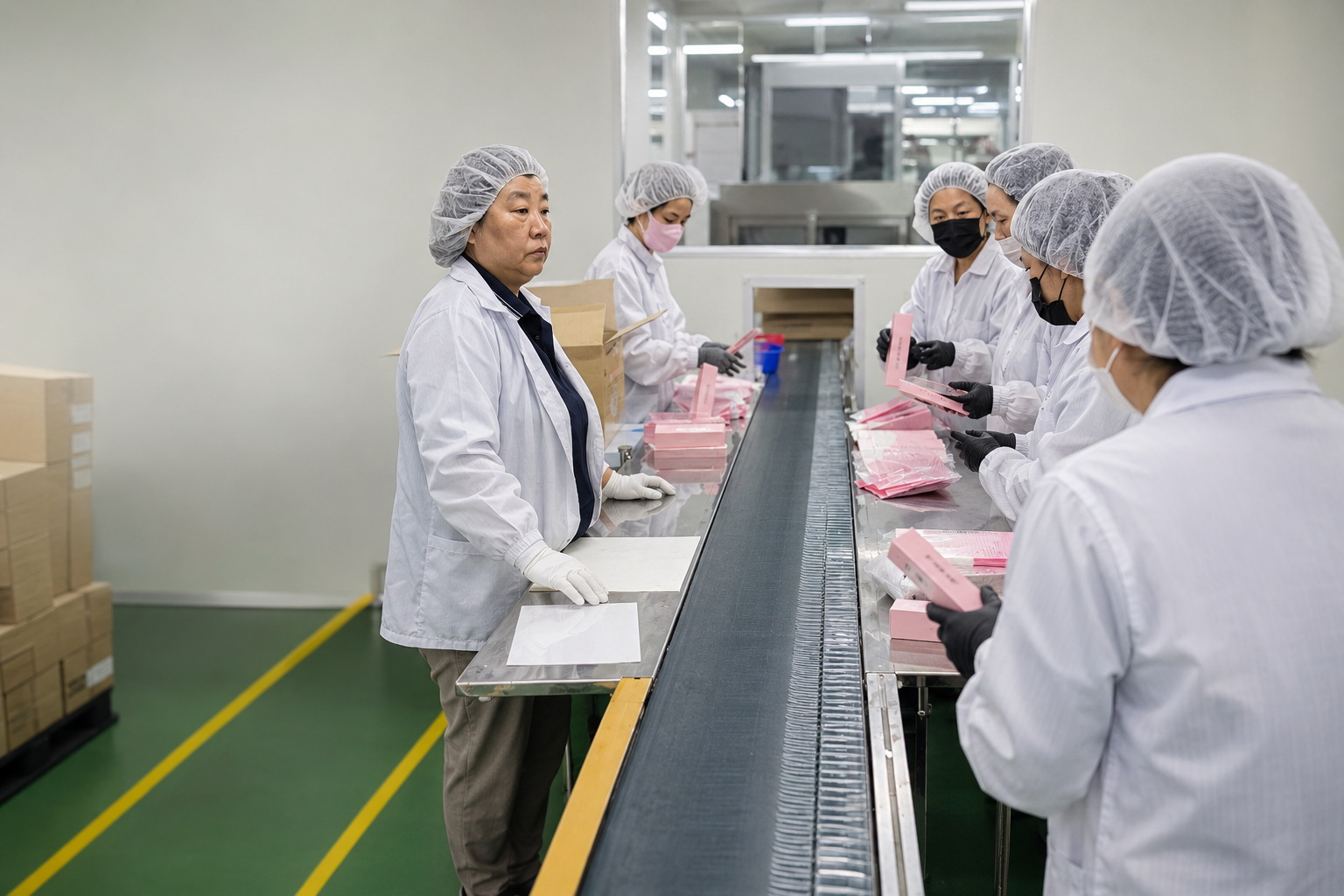
The Benefits of Quality Control Inspections in South Korea – South Korea is a strong sourcing country. Buyers use Korean suppliers for electronics, automotive parts, cosmetics, machinery, packaging, food products, textiles, consumer goods and industrial components. Many Korean factories understand export requirements and many have good production systems.
But that does not mean every shipment should move without a check. I have seen this mistake many times. A buyer trusts the supplier, the shipment leaves, and only after arrival does someone find the wrong label, missing accessory, weak carton, mixed SKU or damaged retail packaging.
The supplier may still be a good supplier. The problem is that one part of the order was not checked properly before shipment. This can happen in South Korea, China, Europe, India, Turkey or any other manufacturing country. Good suppliers can still make mistakes.
A quality control inspection gives the buyer a practical way to check the goods before they leave South Korea. It is not about creating extra paperwork. It is about making sure the order matches what was agreed before the buyer releases the shipment.
Why Buyers Source Products from South Korea
South Korea has a well-developed manufacturing base. It is known for electronics, semiconductors, automotive parts, petrochemicals, plastics, machinery, cosmetics, communication equipment, packaging and industrial products. Many suppliers are used to working with buyers in Europe, the United States, Australia, the Middle East and other export markets.
This gives buyers confidence. However, confidence should not replace verification. The buyer still needs to confirm that the order matches the purchase order, approved sample, artwork, technical drawing, packing instruction, labelling requirement and shipping mark details.
The issue is often not a large production failure. It is usually something smaller, but still expensive. A cosmetics product may have the wrong batch code format. An electronics item may have the correct product but the wrong manual. An automotive part may look fine but be outside the drawing tolerance. A food product may have labelling details that create customs or customer problems.
These are the types of issues that a third-party inspection can help find before the goods move.
What a Quality Control Inspection Checks
A quality control inspection in South Korea is an independent check of the goods, packaging, quantities and order requirements. The inspection can take place at the factory, warehouse, packing site, loading point or arrival warehouse.
The inspector checks the goods against the buyer’s instructions. This can include the purchase order, approved sample, specification sheet, technical file, artwork, packing list, carton marks, barcode details, label requirements and any special check points requested by the buyer.
The report should give the buyer a clear view of the shipment. It should include photos, quantity findings, defect details, measurements, packing checks, comments from the inspector and an overall result. The buyer can then decide whether to approve shipment, ask for correction, hold the goods or speak with the supplier before loading.
1. It Helps Confirm the Goods Before Shipment
The strongest reason for a pre-shipment inspection is simple. It gives the buyer a chance to check the goods before they are exported.
Once a shipment leaves South Korea, the buyer has fewer options. If a problem is found after arrival, the buyer may need to arrange warehouse sorting, relabelling, repacking, rework, replacement parts or customer credits. These costs are usually much higher than fixing the issue before the goods leave the supplier.
During a pre-shipment inspection, the inspector can check workmanship, appearance, dimensions, colour, function, accessories, labels, packaging, carton condition and shipping marks. Where suitable, the inspector can also carry out simple on-site tests.
The buyer then gets an answer to a very practical question: are these goods ready to ship?
2. It Reduces the Risk of Defective Goods Reaching Customers
Defective goods are expensive. The cost is not just the value of the product. There can be freight costs, sorting costs, retailer penalties, replacement costs, lost sales and damage to the customer relationship.
Common issues include scratches, dents, poor finishing, missing accessories, incorrect dimensions, wrong materials, weak packing, printing errors, damaged retail boxes, mixed goods and incorrect carton quantities.
An inspection will never remove every risk. No honest inspection company should claim that. But it can reduce the chance of a serious problem being missed. It gives the buyer independent evidence before the shipment is approved.
3. It Is Useful for Technical and High-Specification Products
South Korea is not only used for simple consumer products. Many buyers source technical, engineered or brand-sensitive goods from Korean suppliers. These products often need a more detailed inspection approach.
For electronics, the inspection may check model numbers, accessories, plugs, cables, manuals, rating labels, packaging and basic function. While with automotive parts, it may check dimensions, finish, assembly, material condition and conformity with drawings. With cosmetics, it may focus on bottle condition, caps, seals, batch coding, expiry information, retail packaging and carton marks. For machinery parts, it may check measurements, surface finish, markings, packing protection and visible damage.
Small mistakes can create large problems. A missing accessory can make the product unsellable. A wrong manual can delay a retail launch. A small dimensional issue can stop an industrial part from fitting during assembly.
4. It Checks Packaging, Labelling and Barcodes
Many shipment problems start with the packaging, not the product. This is common with retail goods, cosmetics, electronics, food products and goods that move through warehouses or distribution centres.
Problems can include wrong barcode labels, missing country of origin, poor print quality, damaged retail boxes, incorrect language labels, wrong net weight, missing warning labels, incorrect batch codes, wrong expiry dates or carton marks that do not match the packing list.
These details may seem small at the factory. But they can cause customs delays, warehouse problems, rejected deliveries or costly relabelling after arrival.
A South Korea quality control inspection can compare the packaging and labelling against the buyer’s artwork, packing list and product instructions. This is one of the simplest ways to prevent avoidable problems.
5. It Helps Buyers Manage Suppliers Better
Quality control inspections are not only useful for one shipment. They also help buyers understand how a supplier performs over time.
One inspection gives a snapshot. Several inspections show patterns. A buyer may see repeated carton damage, recurring label errors, missed accessories, poor packing protection or minor finishing defects. This information helps the buyer take better action.
The buyer can update the checklist, improve the specification, ask for corrective action, give clearer packing instructions or arrange a factory audit if the same problems keep appearing.
Good supplier management is not about blaming the factory. It is about making sure everyone understands the same quality standard before the goods move.
6. It Gives Independent Evidence
A third-party inspection gives the buyer a more balanced view of the order. The inspection is not carried out by the supplier’s own quality team. It is completed against the buyer’s requirements.
This matters when there is a disagreement. Photos, measurements and defect records help the buyer discuss the issue with the supplier. They can support a request for rework, replacement, correction or shipment delay.
It also helps internal teams. Purchasing, logistics, quality and management can all look at the same report instead of relying on verbal updates or supplier photos only.
Common Quality Risks When Buying from South Korea
Buyers can face several practical risks, even when working with capable Korean suppliers. These include products not matching the approved sample, incorrect model numbers, wrong carton quantities, damaged retail packaging, incorrect barcodes, missing manuals, missing accessories, wrong destination labels, dimensional differences, surface scratches, poor finishing, weak export packing and mixed goods packed into the wrong cartons.
These problems may look small during production, but they can become expensive after shipment. This is why it is better to find them before the goods leave South Korea.
Products That Can Be Inspected in South Korea
Quality control inspections in South Korea can cover many product categories, including electronics, electrical products, automotive parts, machinery, industrial components, cosmetics, packaging, printed materials, plastics, rubber parts, metal parts, textiles, garments, furniture, household goods, food products, hygiene products and marine or engineering supply chain items.
The inspection checklist should match the product. A cosmetics inspection is different from an automotive parts inspection. An electronics inspection is different from a furniture inspection. The buyer should provide clear specifications, artwork, packing instructions and known risk points before the inspection takes place.
When Should a Buyer Arrange an Inspection?
A during production inspection is useful when the goods are still being made. It helps find issues early before the full order is completed. This can be useful for new products, new suppliers, repeat problems or tight delivery schedules.
A pre-shipment inspection is carried out when production is finished and the goods are packed or nearly packed. This is the most common inspection for buyers who want a final check before shipment.
A container loading inspection checks the loading process, carton condition, container condition, quantities and seal number. This is useful when the buyer wants to confirm that the correct goods are being loaded.
An inbound inspection can take place after the goods arrive at a warehouse or customer location. This is useful when a customer has complained about damaged, faulty or incorrect goods.
How Goodada Can Support Buyers in South Korea
Goodada provides independent quality control inspection services in South Korea for buyers who need a practical check before making shipment decisions. The inspection can cover product quality, packing, quantities, labelling, loading or inbound checks.
The aim is not to make sourcing more complicated. The aim is to give the buyer clearer information. A good inspection report helps the buyer speak with the supplier, make a decision and reduce the risk of receiving goods that do not match the agreed requirements.
Buyers who need support can review Goodada’s South Korea inspection services
Conclusion
South Korea is a strong sourcing market, but quality control still matters. A capable supplier can still miss a defect. A good production system can still pack the wrong label. A correct product can still be placed into weak or damaged cartons.
For the buyer, the benefit of inspection is practical. It gives independent information before shipment. It helps reduce defects, avoid customer complaints, improve supplier management and protect the buyer’s brand.
If your company is buying electronics, automotive parts, cosmetics, machinery, packaging, textiles, food products or consumer goods from South Korea, a quality control inspection can help confirm that the goods meet your requirements before they are shipped.
Used correctly, inspection is not just a cost. It is a simple risk-control tool for international sourcing.
If, after reading this blog, you require an South Korea Inspection, please don’t hesitate to contact me. My details are below:
Contact Person: Aidan Conaty (Goodada Customer Support)
Mobile- Messenger (Click to Connect)

Laptop / PC (Click to Connect)

Phone:(Europe/ Rest of the World) +353 1 885 3919 ; (UK) +44.020.3287.2990 ; (North America) +1.518.290.6604
FAQ: Quality Control Inspections in South Korea
What is a quality control inspection in South Korea?
It is an independent check of products, packaging, quantities, labels and order requirements before shipment, during production, at loading or after arrival.
When should I arrange a pre-shipment inspection in South Korea?
You should arrange it when production is finished and the goods are packed or nearly packed. This allows the inspector to check the final goods before export.
What products can be inspected in South Korea?
Products can include electronics, automotive parts, cosmetics, machinery, packaging, textiles, garments, furniture, food products, industrial components and consumer goods.
Can an inspector check Korean cosmetics before shipment?
Yes. A cosmetics inspection can check packaging condition, labels, batch codes, expiry dates, carton marks, seals, product presentation and general workmanship.
Can an inspector check electronics in South Korea?
Yes. An electronics inspection can check appearance, model numbers, accessories, manuals, labels, packaging, basic function and other buyer-specific requirements.
What does a South Korea inspection report include?
It normally includes photographs, quantity checks, product findings, defect details, packaging checks, measurements, inspector comments and an overall inspection result based on the buyer’s requirements.
Why should I use a third-party inspection company in South Korea?
A third-party inspection company gives the buyer independent evidence before shipment. This helps reduce the risk of receiving defective, incorrect or poorly packed goods.
Can Goodada arrange inspections in South Korea?
Yes. Goodada provides independent quality control inspection services in South Korea for buyers who need product checks, supplier checks, loading checks or inbound inspections.