
Supplier Audit or Supplier Verification: What’s the Difference and Which One Do You Need? Many people contact me and ask me which one they should choose. Additionally, some clients will only pay for the “cheaper” option but actually require the other option.
I am writing this blog to help you determine whether a quick background check is sufficient or if you need to conduct a more thorough investigation. This is where Supplier Verifications and Factory Audits come in. While they both aim to reduce risk, they serve different purposes. Here’s what you need to know.
If you have any questions, please get in touch with me below:
Contact Person: Aidan Conaty
Mobile- Messenger (Click to Connect)

Laptop / PC (Click to Connect)

Phone:(Europe/ Rest of the World) +353 1 885 3919 ; (UK) +44.020.3287.2990 ; (North America) +1.518.290.6604
1. What is a Supplier Verification?
A Supplier Verification is a remote, document-based background check that confirms whether a supplier is legally registered, has the correct export licenses, and appears to be a legitimate business. It typically includes a review of business licenses, ownership details, company structure, and any red flags, such as government fines or litigation history.
It is usually the first step in a due diligence process and is ideal for assessing new or unknown suppliers.
A Supplier Verification is an inspection used to confirm the legitimacy and credibility of a supplier before you engage in business with them. It provides buyers with factual information about a company’s legal status, export eligibility, ownership, and operational credibility. It can be done on-site or off-site (desktop)
This type of verification is typically conducted by a third-party inspection firm. The inspector collects and reviews documentation directly from the supplier, such as business licenses, export permits, certifications (e.g., CE, ISO), and company registration details. The goal is to verify that the supplier is officially registered, operating legally, and has the appropriate credentials to manufacture and export goods.
A Supplier Verification may also highlight red flags, such as recent lawsuits, government fines, or discrepancies in ownership structure. Or lack of stock in a warehouse or little or no activity taking place.
This service is ideal for businesses that are in the early stages of supplier selection or are placing a small initial order. It provides quick and cost-effective insight that helps you decide whether a potential supplier is worth pursuing further.
2. What is a Factory or Supplier Audit?
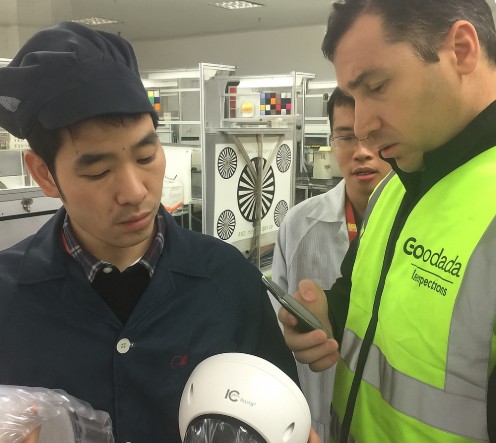
A Factory Audit, also known as a Supplier Audit, is an on-site inspection. It is used to review a supplier’s operations, their stocks or production capabilities, and a review of their quality systems. It is an important element of any due diligence, especially when sourcing from overseas or unfamiliar suppliers.
Unlike a Supplier Verification, which is a very basic check, a Factory Audit evaluates the supplier’s production processes, machinery, factory layout, quality control systems, and employee working conditions. This audit will provide you with the information to help determine whether the factory has the ability to meet your specifications, deliver on time, and uphold international compliance standards.
This audit covers multiple areas, such as raw materials handling, in-process inspections, packaging practices, and finished goods checks. It also examines documentation systems, complaint-handling procedures, and internal communication processes. For buyers concerned about ethical sourcing, auditors can conduct a very basic assessment of labor practices, health and safety measures, and social compliance (e.g., no child or forced labor).
Each section is scored, and the factory receives an overall rating—pass, conditional pass, or fail. Failing critical sections, like a lack of QC procedures or illegal labor practices, will trigger immediate High-Risk classification.
3. When should I choose a Supplier Audit over a Supplier Verification?
A Supplier Audit—also known as a Factory Audit—should be your go-to option when you require in-depth, on-site insights into a supplier’s operations. Unlike a Supplier Verification, which confirms the legal existence and registration of a company, an audit evaluates how the supplier actually functions in real-world production environments.
You should choose a Supplier Audit when you’re preparing to place a high-value, repeat, or strategic order, where failure or delays could have serious consequences for your business. Audits help confirm whether the factory has the necessary capacity, equipment, workforce, and internal processes to meet your volume, quality, and delivery requirements.
Factory Audits are also essential when compliance is a concern. If you or your customers require adherence to international standards, such as ISO 9001, BSCI, Sedex, or other ethical sourcing requirements, an audit provides the evidence you need to verify compliance with these standards.
On the other hand, Supplier Verifications are really useful when you’re screening multiple suppliers at once. Instead of auditing several factories, you can verify their business details first and then shortlist the most promising ones for full audits later. This staged approach is more efficient and cost-effective.
Supplier Verifications are ideal for low-risk or one-off orders, where the cost of a full audit may not be justified. In such cases, verification offers peace of mind that the supplier exists, is legally compliant, and is capable of exporting goods.
4. What are the risks of skipping a Supplier Audit or Verification?
Failing to conduct a Supplier Verification or Supplier/ factory Audit can expose your business to serious and costly risks. These due diligence checks are designed to protect your supply chain, and skipping them increases the likelihood of encountering unexpected issues.
If you skip a Supplier/ Factory Audit, you miss the chance to evaluate not just if a Supplier is genuine but also how a Supplier actually operates. A factory might look good on paper but fail to meet your production standards in reality. Issues like subcontracting to unknown facilities, poor quality control, outdated machinery, unsafe working environments, or non-compliance with labor laws are often uncovered only through on-site inspections. These problems can lead to product defects, delivery delays, regulatory breaches, or damage to your brand’s reputation.
Additionally, a Supplier Audit can provide you with evidence to demonstrate to stakeholders and customers that you have a formalized due diligence process that you carry out on the suppliers in your supply chain.
If you skip a Supplier Verification, you risk dealing with fraudulent or misrepresented companies. Some may not legally exist, lack valid export licenses, or operate under false identities. This can result in payment scams, customs clearance problems, or the complete disappearance of your supplier once funds are transferred. Even if the supplier is real, they may be inexperienced or a trading company.
In short, the cost of not verifying is almost always greater than the cost of checking.
Final Thoughts – Supplier Verification vs. Supplier Audit
Knowing the difference between a Supplier Verification and a Supplier/ Factory Audit is important. It will help you to choose the right level of due diligence based on your sourcing needs.
Goodada Inspections provides Audits and Quality Control Inspections in over 76 countries. Contact us today to discuss your needs and safeguard your supply chain. I have included contact details near the top of this blog.