
Tests to Check Clothing Quality – Introduction
Hi, I’m Aidan Conaty. For over twenty years, I’ve worked with businesses across the apparel industry, helping them navigate the challenges of quality control in clothing manufacturing. One of the biggest frustrations I hear from brands, retailers, and importers is receiving garments that don’t meet expectations—whether it’s fabric that tears too easily, colours that fade after one wash, or zippers that break after a few uses.
The reality is that not all clothing factories apply the same quality standards. That’s why it’s essential to have a structured approach to testing garments before they hit the shelves. Through my experience inspecting clothing in factories, warehouses, and distribution centers, I’ve seen firsthand how a strong quality control process can save businesses from costly returns, damaged reputations, and disappointed customers.
In this blog, I’ll walk you through the key tests that should be done to check the quality of clothes. These aren’t just technical checks—they’re practical steps that ensure your clothing is built to last, looks great, and performs as expected, whether manufactured in Asia, Europe, or closer to home. Understanding these tests will help you make informed decisions and maintain high product standards.
While I discuss five tests, you should never forget about labelling or barcode scan tests. I have not included these as they can apply to any type of product, not just apparel.
If you have any questions about our services, please do not hesitate to contact me on the details below:
Mobile- Messenger (Click to Connect)

Laptop / PC (Click to Connect)

Phone:(Europe/ Rest of the World) +353 1 885 3919 ; (UK) +44.020.3287.2990 ; (North America) +1.518.290.6604
The five key tests to check clothing quality are:
- Fabric Strength Testing
- Colorfastness Testing
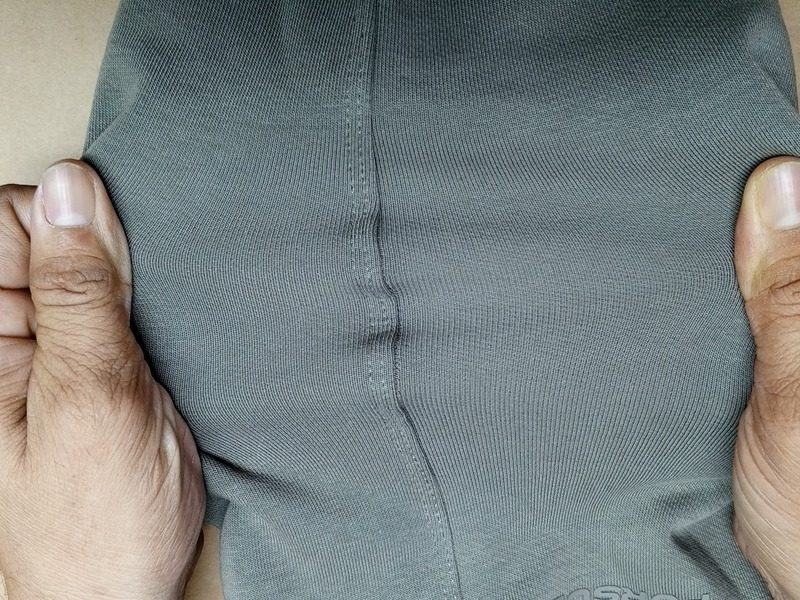
- Seam & Stitching Inspection
- Shrinkage & Dimensional Stability
- Button & Zipper Durability Testing
Fabric Strength Testing – Ensuring Durability and Resistance to Tearing
Fabric strength is a key factor in garment quality, ensuring that clothing items can withstand regular wear and washing. Weak fabrics can lead to tearing, premature wear, and dissatisfied customers. Strength testing evaluates a fabric’s ability to resist tensile stress, tearing, and bursting pressure.
How Fabric Strength is Assessed During Inspections
- Manual Stretch & Pull Test – Inspectors check for signs of weak fibres by gently stretching fabric at stress points.
- Tear and Abrasion Review – Visual checks identify areas prone to fraying or thinning.
- Seam Strength Examination – Weak seams contribute to fabric failures, so inspectors assess stitching reinforcement.
By identifying potential durability issues early, businesses can address concerns before products reach the market.
Colorfastness Testing – Preventing Fabric Color Fading and Bleeding
Fabric colour should remain consistent over time, even after washing, exposure to sunlight, or contact with other materials. Poor colourfastness leads to fading, staining, and uneven colouration across a batch of garments.
How Inspectors Evaluate Colorfastness
- Rub Test – Rubbing a white cloth against coloured fabric helps detect dye transfer.
- Moisture Test – Lightly dampening a small area checks for potential bleeding.
- Batch Comparison – Examining multiple items from a production run ensures colour consistency.
Early identification of colour issues helps reduce complaints and enhances the perceived value of a product.
Seam & Stitching Inspection – Ensuring Stitching Strength and Consistency
Even the highest-quality fabrics can fail if the stitching is weak. Poor seam construction results in fraying, unravelling, or uneven stitching, affecting durability and aesthetics.
Key Stitching and Seam Quality Checks
- Thread Tension and Density Review – Ensuring stitches are uniform and securely sewn.
- Seam Pull Test – Applying gentle pressure to seams checks for gaps or weak joins.
- Alignment and Reinforcement Inspection – Verifying that high-stress areas like pockets and cuffs are properly reinforced.
Thorough stitching inspections help maintain consistency in garment construction and reduce defect rates.
Shrinkage & Dimensional Stability – Preventing Size Alteration After Washing
Shrinkage is a common issue that affects garment fit and customer satisfaction. Dimensional stability tests ensure that clothes maintain their shape and size after repeated washing and drying.
Visual Inspection Methods for Shrinkage Risk
- Fabric Composition Review – Certain materials shrink more than others; labels are checked for accuracy.
- Size Verification – Measuring garments before shipment ensures they meet specification tolerances.
- Texture and Weave Assessment – Loose weaves and untreated fabrics are more prone to distortion.
Understanding potential shrinkage helps reduce sizing discrepancies and enhances garment longevity.
Button & Zipper Durability Testing – Ensuring Reliable Fasteners
Fasteners like buttons, zippers, and snaps are critical to both garment function and user convenience. Weak attachments or faulty closures can lead to high return rates.
How Fasteners are Evaluated During Inspections
- Pull Test – Applying moderate force ensures buttons and snaps are securely attached.
- Repeated Use Check – Zippers are zipped and unzipped multiple times to test reliability.
- Corrosion and Alignment Review – Metal fasteners are checked for rust, while buttons and snaps must be properly positioned.
Assessing fastener durability ensures that garments meet quality expectations before they reach customers.
Tests to Check Clothing Quality – Conclusion
As I conclude this piece, I cannot overstate the importance of having a proper set of QC inspections for your clothing orders. A well-made garment isn’t just about how it looks—it’s about durability, consistency, and attention to detail. Issues like weak fabric, poor stitching, or faulty fasteners can turn a promising product into a costly headache. However, the good news is that the right testing and inspection processes help you avoid these problems.
At Goodada Inspections, we’ve been helping brands, retailers, and importers identify and resolve quality issues before goods leave the factory floor. Whether you need a pre-shipment inspection, a production check, or an independent review of your supplier’s standards, we provide practical, no-nonsense quality control solutions.
If you want to reduce defects, improve consistency, and protect your reputation, let’s have a chat. Quality Control doesn’t have to be complicated—do it right.
Reach out today, and let’s make sure your next shipment meets the standards your customers expect.