
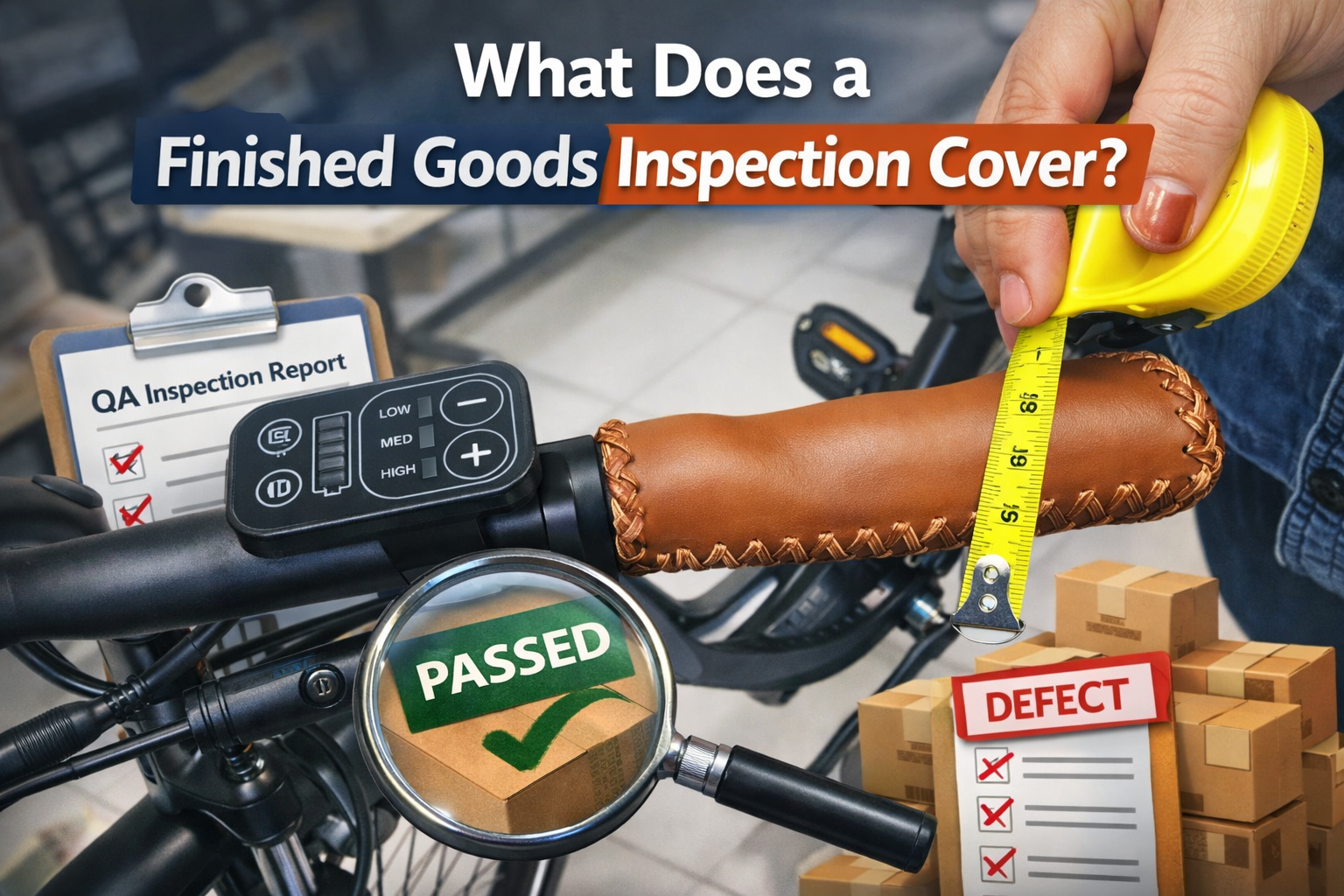
What Does a Finished Goods Inspection Cover – When buyers book a Finished Goods Inspection, they are usually trying to answer one simple question before shipment: Are these the correct goods, in the correct quantity, packed correctly, and made to the required standard? That is the real purpose of a Finished Goods Inspection. For importers, wholesalers, retailers, and brand owners, this inspection acts as a final checkpoint before goods leave the factory or warehouse. It gives the buyer an independent view of the order before the balance payment is made or before the shipment is released for dispatch. At Goodada Inspections, this is one of the most commonly requested services because it helps buyers identify problems at the point where action can still be taken. Once goods have shipped, the options become narrower, the costs usually rise, and disputes become harder to manage. If you requrie a Finished Goods Inspection, please contact me: If you want more information about garment Quality Control Inspections, please contact me at:
Contact Person: Aidan Conaty (Goodada Customer Support)
Mobile- Messenger (Click to Connect)

Laptop / PC (Click to Connect)

Phone:
(Europe/ Rest of the World) +353 1 885 3919 ;
(UK) +44.020.3287.2990 ;
(North America) +1.518.290.6604
What Is a Finished Goods Inspection?
A Finished Goods Inspection, sometimes called a Final Random Inspection or Pre-Shipment Inspection, is an independent quality control inspection carried out when production is complete or nearly complete and the goods are packed and ready for shipment. In most cases, the inspection takes place when at least 80 percent of the order is packed. That matters because the buyer needs visibility not only of the product itself, but also of the packaging, labelling, carton presentation, and shipment readiness. The aim is not just to look at a few products and say they seem fine. The aim is to carry out a structured inspection based on a sampling method, review the order against the buyer’s requirements, and report clearly on whether the goods appear to meet the expected standard.
Why Buyers Use Finished Goods Inspections
A Finished Goods Inspection helps reduce risk before shipment. That risk can take many forms:
- wrong product
- wrong colour
- wrong size mix
- workmanship defects
- damaged goods
- poor packaging
- missing accessories
- incorrect labels
- inaccurate carton markings
- quantity shortages
- loading readiness issues
If these problems are only discovered after arrival, the buyer may face delayed deliveries, customer complaints, stock losses, returns, discounts, or disputes with the supplier. A Finished Goods Inspection does not remove all supply chain risk, but it gives the buyer a much stronger position than relying only on supplier assurances.
What Does a Finished Goods Inspection Cover?
A proper Finished Goods Inspection usually covers several key areas. The exact scope can vary depending on the product, the client’s instructions, and the industry, but the core areas are generally consistent.
1. Quantity Verification
One of the first things the inspector checks is whether the correct quantity has been produced and packed. This includes reviewing:
- total units available
- packed quantity
- unfinished quantity if any remains
- carton count
- size or colour breakdown where relevant
Quantity problems are more common than many buyers expect. A supplier may produce slightly short, mix cartons incorrectly, or pack the wrong ratio of variants. If the order involves garments, footwear, furniture, electrical goods, toys, or consumer products with multiple SKUs, this step becomes particularly important. A buyer may think the key risk is product quality, but quantity errors can create just as many commercial problems.
2. Product Specification Checks
The inspector checks whether the goods match the approved specifications. Depending on the product, this may include:
- dimensions
- weight
- colour
- material appearance
- construction details
- design features
- logo placement
- print or artwork
- model number
- product configuration
- finish and presentation
This part of the inspection compares what is physically present against the approved requirement. That requirement may come from a specification sheet, approved sample, packing list, purchase order, artwork file, or client briefing. If the goods differ from the approved standard, that can create immediate issues for resale, retail compliance, customer expectations, or brand reputation.
3. Workmanship and Visual Quality Checks
This is often the area buyers think about first. The inspector looks for visible defects and quality issues across the sampled units. The exact defects depend on the product, but examples may include:
- scratches
- stains
- dents
- cracks
- loose parts
- poor stitching
- broken components
- uneven finishing
- glue marks
- sharp edges
- paint issues
- poor assembly
- contamination
- damaged surfaces
The purpose is not to find perfection in every single unit. The purpose is to assess the sampled goods using an agreed acceptance standard and identify whether the level and type of defects are within tolerance. For many inspections, this is assessed using AQL sampling principles. That gives the inspection a structured basis rather than relying on a casual visual opinion.
4. Function and On-Site Testing
A Finished Goods Inspection often includes basic on-site tests where appropriate. These tests depend on the product type and the client’s requirements. They may include:
- assembly checks
- fit checks
- basic performance checks
- barcode scans
- drop tests
- carton weight checks
- measurement checks
- appearance under normal use
- switching or power-on checks for simple electrical items
- stability checks
- count verification for sets or accessories
For garments, that may include measurements and labelling checks. Furniture, it may involve assembly review and finish inspection. For footwear, it may involve size confirmation, bonding checks, and visual examination. Hard goods, it may involve function testing, operation checks, or component review. The key point is that a Finished Goods Inspection covers more than looking at the goods in a carton. It often includes practical tests to confirm that the product appears fit for purpose at a basic inspection level.
5. Packaging Checks
Even when the product itself is acceptable, packaging problems can still create serious issues. The inspector will usually review:
- individual packaging
- inner packaging
- retail packaging
- protective materials
- presentation
- sealing
- insert cards
- manuals
- spare parts packs
- barcode labels
- packaging consistency
If a buyer sells to retailers, distributors, or e-commerce customers, packaging matters commercially. Incorrect, weak, or inconsistent packaging can lead to damage in transit, poor customer experience, or rejection by the receiving party. A Finished Goods Inspection should therefore confirm not only that the goods were made correctly, but also that they were packed correctly.
6. Shipping Marks and Carton Markings
Outer carton information is often overlooked until something goes wrong. The inspection usually includes checking whether shipping marks and outer carton details are correct. That may include:
- buyer name
- item reference
- purchase order number
- destination
- carton number
- quantity per carton
- gross and net weight
- made in country statements
- barcode or label details
- handling marks
Errors here can cause warehouse confusion, customs issues, receiving delays, or stock control problems. For many importers, this is not a minor detail. It is part of making sure the order can move through the supply chain properly.
7. Assortment and Packing Accuracy
Where an order includes mixed sizes, colours, models, or sets, the inspector checks whether the packing assortment is correct. This can include confirming:
- the right units are packed in the right cartons
- size breakdowns match the order
- colour ratios are correct
- accessory packs are complete
- set components are included
- no incorrect items have been mixed in
This is especially important for garments, footwear, toys, gift sets, promotional products, and retail-ready consumer goods. A buyer may receive the correct total quantity overall but still have a serious problem if the assortment is wrong.
8. Photos and Reporting
A proper Finished Goods Inspection includes a clear written report supported by photographs. That report should show:
- what was inspected
- when and where the inspection took place
- quantity available
- sampling details
- issues found
- photos of defects or concerns
- photos of the product, packaging, and cartons
- inspection result summary
- notes on tests carried out
This documentation matters because it gives the buyer an evidence-based overview of the shipment condition at the time of inspection. It also helps the buyer communicate clearly with the supplier if corrective action is needed.
What a Finished Goods Inspection Does Not Do
It is also important to be clear about what this inspection does not do. A Finished Goods Inspection is not the same as:
- a full technical laboratory test
- a guarantee that every single unit in the order is defect-free
- a supplier audit
- a social compliance audit
- a production monitoring service from start to finish
It is a sampling-based, independent pre-shipment check of finished goods. That distinction matters because buyers sometimes expect one inspection to answer every possible question. In reality, different risks require different types of control.
When Should a Buyer Book It?
In most cases, the best time to carry out a Finished Goods Inspection is when production is complete or nearly complete and at least 80 percent of the goods are packed. If the inspection is booked too early, there may not be enough finished goods available to inspect properly. If it is booked too late, the shipment timetable may leave little room for corrective action. Timing is one of the reasons buyers often work with an inspection company that can coordinate quickly and report clearly.
Final Thoughts
So, what does a Finished Goods Inspection cover? It covers far more than a quick product glance before shipment. A proper inspection looks at quantity, product specifications, visual quality, workmanship, packaging, carton markings, assortment accuracy, and basic on-site tests where required. In simple terms, it helps answer whether the goods appear ready to ship in line with the buyer’s expectations. For importers, that final checkpoint can make a significant difference. It can highlight problems while there is still time to respond, reduce the risk of avoidable shipment issues, and provide a more objective basis for release decisions. That is why Finished Goods Inspections remain one of the most practical and important quality control tools available to buyers sourcing internationally. If you are shipping products and want an independent check before dispatch, Goodada Inspections can help you verify that the order matches your requirements before it leaves the factory. For more information please visit our Finished